
The map fiction missed
Canada and the European Union are discussing an associate membership for Canada, a scenario I can’t recall seeing in science fiction or alternate history. Speculative maps of North America have usually split Canada into successor states or handed its pieces to rival blocs.
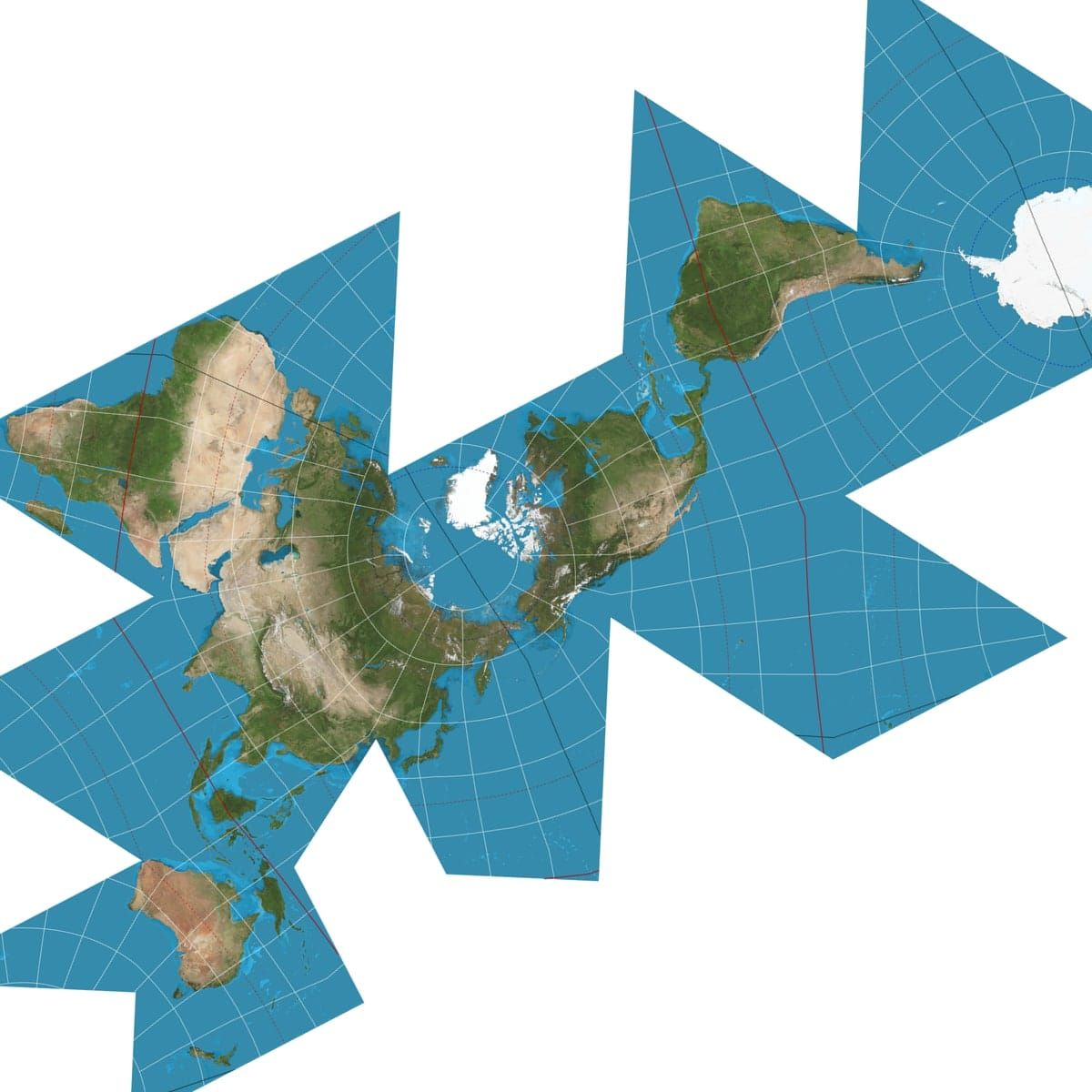
Canada and the European Union are discussing something that, until very recently, would have sounded like an eccentric piece of alternate-history worldbuilding: Canada becoming the EU’s first associate member.
European Commission President Ursula von der Leyen has proposed opening a path to an associate relationship, while Mark Carney has said Canada is seeking a “unique alliance,” not EU membership. As Reuters explains, there is no established legal template for the status or agreement on what it would entail. It could mean a deeper relationship around trade, defence, technology, energy, critical minerals, and regulatory cooperation (and AI, though not mentioned by Reuters)—not Canada somehow becoming a normal EU member state.
Canada’s government notes that its formal relationship with the European project dates to 1959, and CETA already provides a substantial trade framework. But the political meaning of this new discussion is different. It concerns a country in North America looking across the Atlantic for a more durable institutional connection.
The possibility for Canadians of working and living in the EU without a visa is of course front and center for me. But beyond that, what interests me is that I cannot recall seeing this future in science fiction or alternate history.
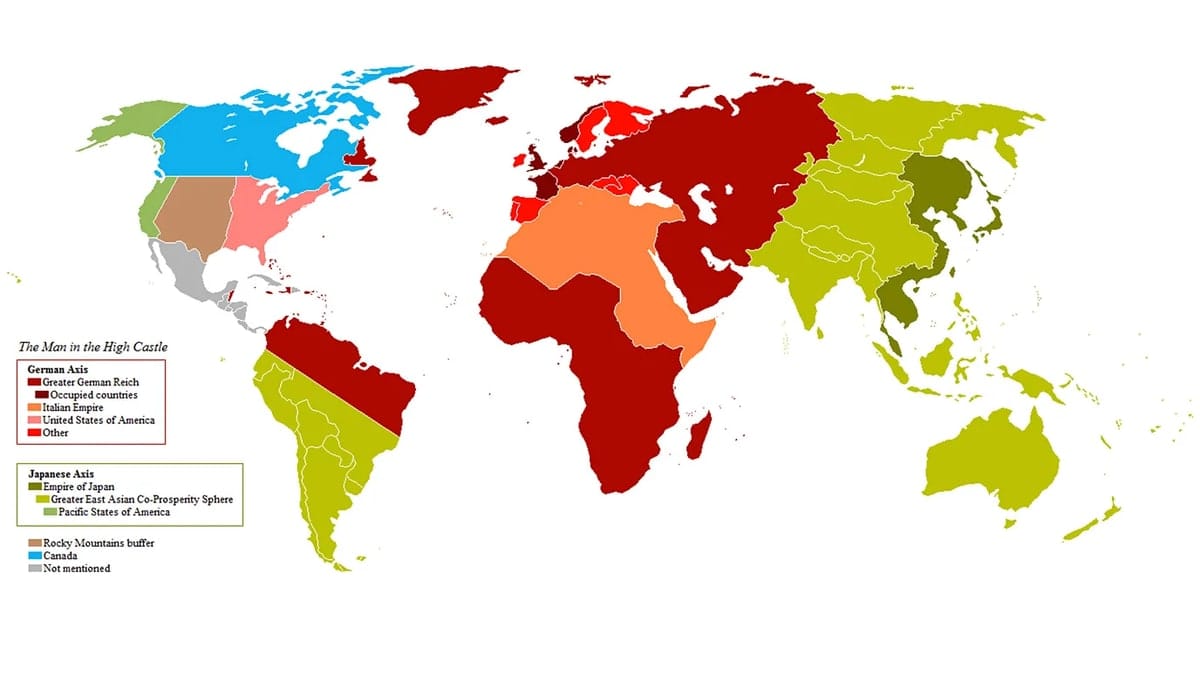
There are many, many fictional maps of other possible Canadas: an independent Québec; a Canada fragmented into regions; a Canada surviving the collapse of the United States; a continent divided among Cascadia, Texas, New England, Indigenous nations, theocratic enclaves, and successor republics. Frank Jacobs’s survey of post-apocalyptic American maps shows how persistently speculative fiction breaks North America into political fragments that reflect present-day cultural and regional divisions.
There is one striking near miss, found through Perplexity, I can’t claim to have known this one. In the hard-SF role-playing setting Transhuman Space, Canada has fragmented by 2100: Québec, Newfoundland, and a Maritime Union have joined an expanded European Union, while an Alberta-British Columbia republic belongs to a Pacific Rim bloc. But that is the familiar speculative-fiction solution—Canada broken into successor states and redistributed among rival powers—not a united Canada negotiating a new association with Europe.
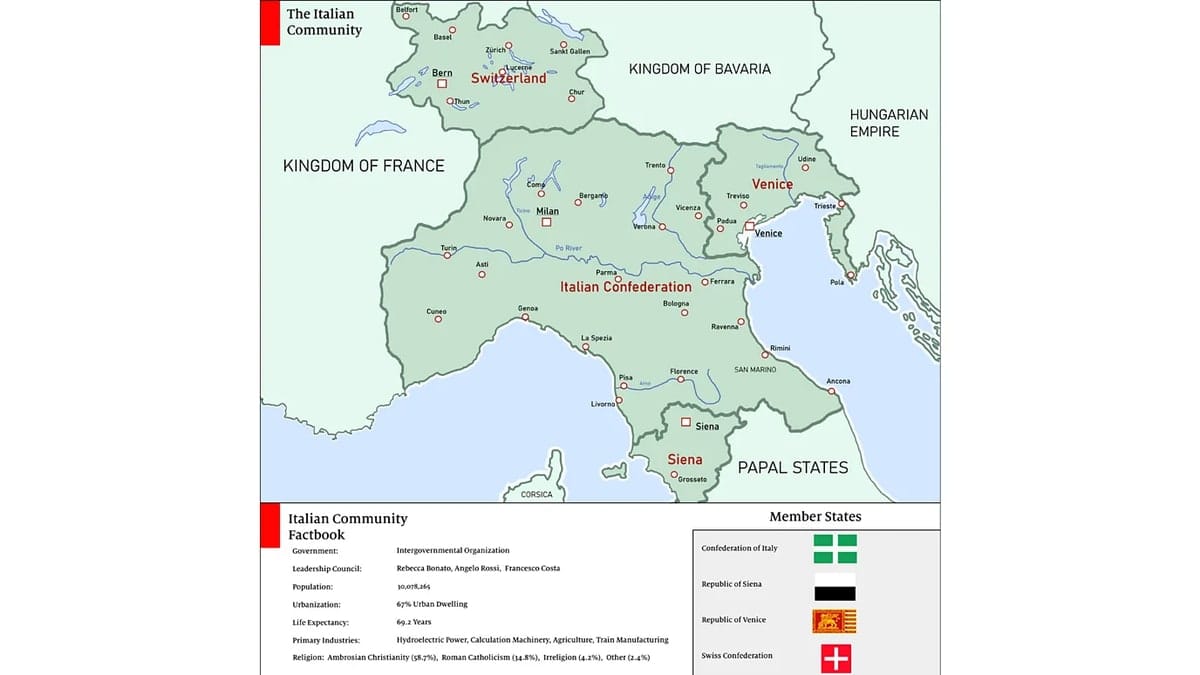
I’m not claiming that no one has ever thought of it. Alternate history is far too vast, including novels, games, fanzines, online timelines, and map communities such as r/altmaps and Wikimedia Commons’ alternate-history map collection. It is a narrower observation: this configuration does not seem to be part of the familiar répertoire.
A diagnostic, not a failure
That is not because science fiction failed to predict the future. Prediction is usually not what fiction is best at.
As Samuel Arbesman observes in his post on alternate histories and societal complexity, alternate worlds must feel plausible and meaningful rather than operate as rigorous forecasts. They are commentaries on the pressures, fears, identities, and assumptions of the time in which they are made.
For much of the past century, the obvious North American speculative future was internal fracture. If a political order came under strain, writers imagined Québec leaving Canada, California leaving the United States, or the entire continent breaking into smaller political units. Those futures had an available vocabulary: old borders, regional identities, constitutional disputes, ideological conflicts, and civil-war memories.
“Canada joins Europe,” even in a partial institutional sense, did not.
The current conversation has become plausible because the underlying political conditions have radically shifted. It is taking place amid US-Canada trade conflict, American tariffs, and a broader Canadian search for less dependence on our southern neighbour. Reporting on the proposal has framed it explicitly as a response to the changed US relationship; Tacoman has in turn described a Canada-EU associate arrangement as potentially “hostile.” Reuters’ reporting makes the geopolitical motive hard to miss.
A decade ago (heck! two years ago), a map of Canada as an EU associate would have needed a great deal of explanations to make it believable. In 2026, it is an actual policy question.
That may be the more interesting signal. The futures fiction has already mapped tell us what a society already considers imaginable. The spaces it leaves blank can tell us what has not yet become thinkable—until a shock makes it so.
About this article: I wrote this post with help from AI. Perplexity assisted with background research, fact-checking and testing my assumptions. The original idea, arguments, editorial decisions and any remaining errors are mine. All sources are linked in the text.